

Dear Valued Client,
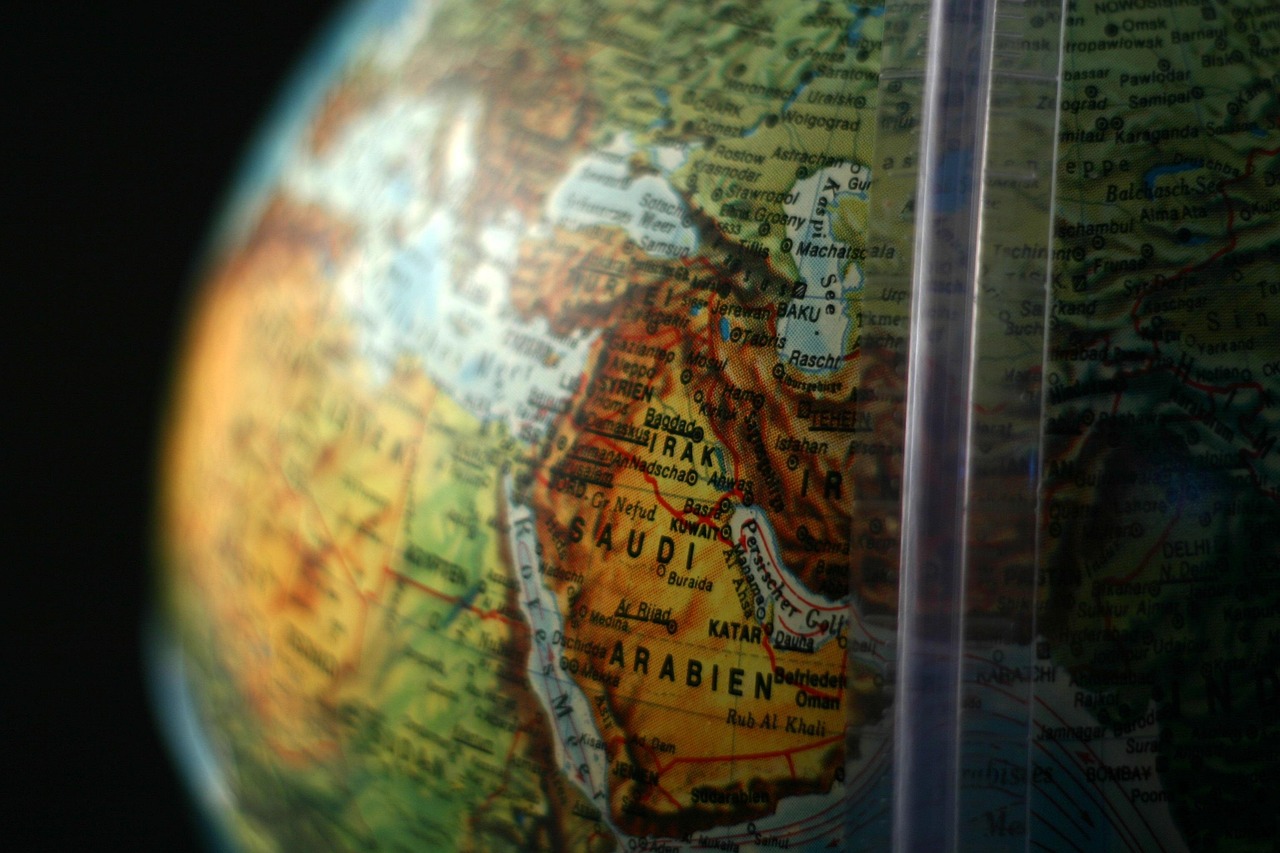
As global geopolitical tensions escalate, East African businesses and individuals must remain vigilant about their insurance coverage. A key concern is the Strait of Hormuz, a strategic chokepoint through which nearly a fifth of the world’s oil passes. Any disruption in this narrow waterway due to conflict or heightened risk can sharply increase shipping risks and global oil prices, directly affecting economies heavily reliant on imported fuel.
Geopolitical Risk and Marine Insurance
The Joint War Committee (JWC), formed by the Lloyd’s Market Association and the International Underwriting Association, London plays a critical role in marine insurance. Recent developments indicate that Hull War, Piracy, Terrorism, and Related Perils insurance for areas including the Persian/Arabian Gulf, Gulf of Oman, Indian Ocean, Gulf of Aden, and Southern Red Sea now requires specific negotiation. The list of affected areas may evolve depending on further developments.
On the other hand, several reinsurers have even withdrawn the WAR and SRCC cover on marine transits as the seven days notice period has lapsed These actions increase premiums for oil tankers, raise maritime transport costs, constrain supply chains, and contribute to rising global oil prices. Additionally, be aware that war and related perils are often subject to specific exclusions, sub-limits, or cancellation provisions, warranties which would affect the scope of coverage during periods of heightened geopolitical risk.
Implications for East Africa
East African economies, heavily dependent on imported fuel, are particularly vulnerable to these shifts. Rising oil prices trigger a ripple effect, driving inflation across multiple sectors, including transportation, construction, energy, and manufacturing. This surge in costs also increases the replacement or repair costs for assets, creating a critical issue for insurance: the adequacy of sums insured.
Currency volatility may further increase import costs and reinstatement costs, compounding the risk of underinsurance.
From an insurance perspective, many policyholders may find that the values declared at the inception of their policies no longer reflect current realities. Inflation-driven increases in rebuilding, repairing, or replacing insured assets mean that without timely adjustments, businesses and individuals risk being underinsured, potentially leading to significant financial strain in the event of a claim.
Ensuring Financial Resilience
We urge all clients to:
- Review current insurance coverage
- Update valuations of assets
- Ensure sums insured reflect current replacement costs
- Please notify us for WAR /SRCC coverage on case-to-case basis to look for availability of insurance terms, conditions and additional period for renewals or new placements.
Maintaining adequate insurance is no longer just prudent, it is essential for financial resilience in uncertain times.
We encourage you to contact us through your account handler/manager to discuss revisions to your policies and ensure you remain fully protected.